


In honour of the 50th anniversary of the Soweto Uprising: SACP


Hector Pieterson Memorial in Soweto -- Ina96, CC BY-SA 3.0, via Wikimedia Commons -- Hector Pieterson became a symbol of the struggle against apartheid in South Africa after being fatally shot by police at the age of 12 during the Soweto Uprising on June 16, 1976.
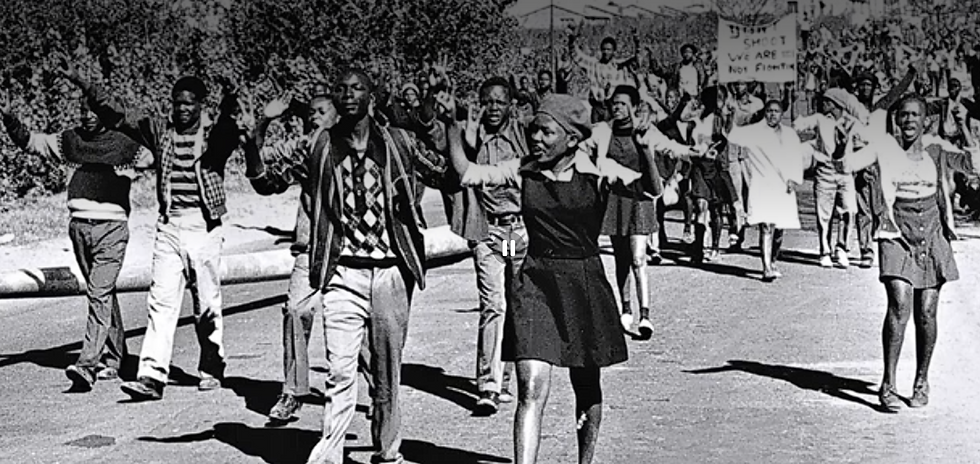
Tuesday, 16 June 2026: The South African Communist Party (SACP) joins the people of South Africa in commemorating the 16 June 1976 youth uprising, one of the defining moments in our struggle for freedom, equality and human dignity. This 50th anniversary of the Soweto Uprising is remarkable for how it signifies the maturing of the South African struggle and the radicalising power of youth.
We honour the young people of 1976 who stood against apartheid oppression and the degrading system of Bantu Education. Their courage reminds us that youth are not passive observers in history, but active participants in shaping society.

As we mark this anniversary, we must also reflect honestly on the conditions facing young people today, especially working-class and poor youth. Political freedom has created important democratic rights, but for many young people the promise of liberation remains limited by unemployment, poverty, inequality, poor access to quality education, unsafe communities and the high cost of living.
The class reality is clear: young people from wealthy backgrounds are far more likely to access better schools, networks, technology, transport, further education and employment opportunities. Working-class and poor youth, particularly in townships, villages and informal settlements, continue to carry the heaviest burden of South Africa’s social and economic crisis.
For this reason, the message of 16 June must not be reduced to ceremony. It must speak directly to the lived realities of young people today. The struggle for quality public education must be connected to the struggle for decent work, skills, land, safe communities, affordable transport, access to technology, cultural development and meaningful participation in the economy.
The SACP calls on young people to organise, study, build, participate and lead. Our country needs a youth that is conscious, disciplined, skilled, compassionate and rooted in the needs of the people. Young people must reject despair, crime, substance abuse, gender-based violence, corruption and narrow individualism. They must take up the task of rebuilding communities, defending democracy, strengthening public institutions and creating new forms of collective economic activity. The need for new ideas in our society cannot be overstated given the evolving challenges facing our country and the world.
In an age of reorganisation of productive forces and the changing of technological norms governing how capitalism operates, young people today ought to be at the centre of articulating contemporary struggles in contemporary conditions. The working-class movement is required to deliberately tap into the creative and imaginative power of the young workers as part of its strategy to organise the working class for changing conditions in the present day. It is the awareness of the experience and perspective of young workers that can extricate the working-class movement from a reality of a working-class base that is increasingly unengaged in trade union activity.

Government and society as a whole must place youth development at the centre of national transformation. This requires expanded public investment in education and training, industrial development, community-based enterprises, co-operatives, agriculture, the care economy, the digital economy and public employment programmes. Youth must not only be treated as job seekers, but as builders, producers, innovators and organisers of a more equal society.
The memory of 1976 calls on us to deepen democracy by tackling the material conditions that continue to reproduce inequality. The best tribute to the June 16 generation is to build a society in which every young person, regardless of class background, can learn, work, create, participate and live with dignity.
On this anniversary, the SACP reaffirms its commitment to working-class youth, poor communities and the struggle for a more just, equal and humane South Africa.


Comments