


The people of Afghanistan and Pakistan are victims of the Great Game


Statement of Left Radical of Afghanistan (LRA)
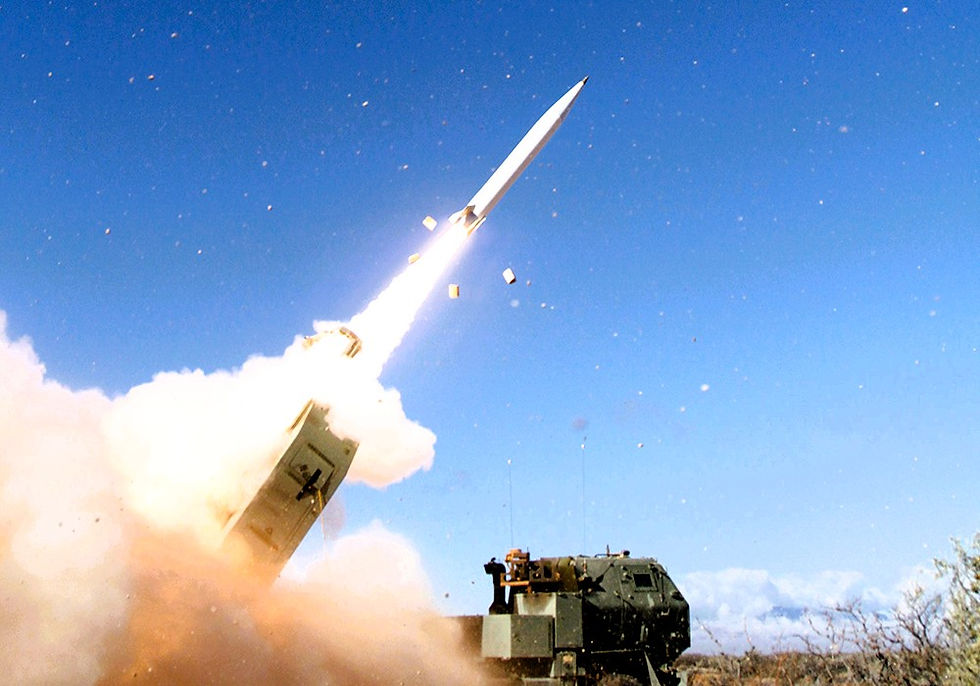
We strongly condemn Pakistan's airstrikes on various provinces of Afghanistan and its aggression against the territory of this country, which have resulted in the deaths and injuries of dozens of civilians, including women and children. These aggressions must stop immediately. This is not the first time the Pakistani army has bombarded areas of Afghanistan since the Taliban's takeover; during this period, such attacks have occurred more than six times, inflicting casualties on civilians.
To impose its demands on the Taliban government, Pakistan has not limited itself to bombings and military operations alone but has also used other levers of pressure. The forced expulsion of millions of Afghan refugees from Pakistan and the closure of shared borders have been among the most significant of these tools. In January and February 2026 alone, over five hundred thousand Afghan refugees were violently expelled from Pakistan, while the Taliban government has no plans or facilities for their settlement. This process adds to the scale of the humanitarian catastrophe in Afghanistan. On the other hand, the continued closure of borders has disrupted bilateral trade, led to shortages of essential materials and price hikes, and increased the hardships of citizens' lives.
Both ruling regimes in Afghanistan and Pakistan are grappling with deep economic crises, unemployment, and poverty. In Pakistan, armed protest movements in Balochistan and Khyber Pakhtunkhwa have challenged the country's stability and security, and the government has responded by resorting to suppressing and killing protesters. In Afghanistan, the misogynistic and medieval Taliban regime not only lacks internal legitimacy but is also unrecognized by the international community.
In such circumstances, the rulers of both countries need war and conflict to divert public opinion from their internal crises, corruption, and betrayals. By fueling nationalist sentiments, they drive young people towards hatred and conflict to shirk responsibility towards their own people and shift the burden of blame onto the neighboring country.
This confrontation has emerged even though the Afghan Taliban themselves are considered a product of Pakistan. Over the past three decades, based on its geopolitical strategy towards Afghanistan, Islamabad has provided this group with financial, military, and political support. Pakistan has always treated Afghanistan like its fifth province and expected the ruling regimes in Kabul to align their foreign policy according to Islamabad's wishes and interests.
But the Afghan Taliban now want to show themselves as an independent force that does not need to follow Pakistan. Their close relations with the Pakistani Taliban (TTP), which fights to establish a government similar to the Islamic Emirate in Pakistan, have become a major axis of tension. In the last two years, Pakistan has repeatedly accused the Afghan Taliban of supporting the TTP, the Balochistan Liberation Army (BLA), and the Pashtun Tahafuz Movement (PTM), but the Taliban have consistently denied these accusations.
On 22 February 2026, the latest round of Pakistani aggression into Afghan territory was carried out under the pretext of fighting the TTP; a group that Pakistan labels as terrorist. However, the Afghan Taliban and the TTP themselves deny the presence of this group in Afghan territory.
The current conflict between Pakistan and the Afghan Taliban should also be analyzed within a broader framework. The Taliban had previously announced that they would support the Islamic Republic of Iran in the event of an American attack on Iran. Therefore, Pakistan's current war against the Taliban can be seen as part of the broader American project against Iran. With the Taliban engaged in a war with Pakistan, they will be less capable of supporting Iran, and Afghan territory cannot become a rear front for Tehran. In this regard, US President Donald Trump described Pakistan's military action against the Taliban as "excellent job" and praised Pakistani Prime Minister Shehbaz Sharif. In his speeches, Trump has consistently spoken of reoccupying the Bagram Airbase and has condemned Joe Biden for leaving behind over 80 billion dollars worth of weapons and military equipment in Afghanistan. It seems that Pakistan, now acting as America's pawn in the region, has been tasked with achieving Washington's goals in Afghanistan.
On the other hand, the US and Israel are concerned that the Taliban, relying on their radical Islamic beliefs, relations with Islamist groups, and warm ties with Moscow and Beijing, might turn Afghanistan into a new threat against Western interests. But Pakistani officials must also realize that serving American imperialism will bring them no long-term benefit. Israel and India consider Pakistan's nuclear program and the role of the ISI in fostering terrorist groups as a threat to their security, and perhaps soon it will be Pakistan's own turn to be attacked.
Therefore, the reactionary war between Pakistan and Afghanistan has nothing to do with the real interests of the people of the two countries. Workers, women, and youth should not, under the influence of state propaganda and under the slogan of defending sovereignty, sacrifice themselves for the policies of corrupt and treacherous rulers.
If Pakistani rulers are killing the people of Afghanistan with their airstrikes, the Taliban, over the past more than four years, have been destroying them with unemployment, poverty, and hunger. Since returning to power, the Taliban have deprived more than half of Afghanistan's population, approximately twenty million women and girls, of education, work, and the most basic freedoms, destroying their future.
The people of Afghanistan and Pakistan must be vigilant. Their common enemy is these very rulers in Kabul and Islamabad. The workers, toilers, women, and youth of the two countries must, with cohesion and solidarity, concentrate their struggle for the overthrow of these misogynistic and despotic regimes.
It is an essential duty for socialist and revolutionary left parties and organizations in Afghanistan and Pakistan, while maintaining and strengthening mutual solidarity, to intensify the work of enlightenment and organization among workers, women, and youth, and not allow these strata to be deceived by the warmongering and nationalist policies of the governments.
Left Radical of Afghanistan (LRA)
March 1, 2026
Afghanistan

Comments